

Tell the Difference Between Dead and Dormant Grass
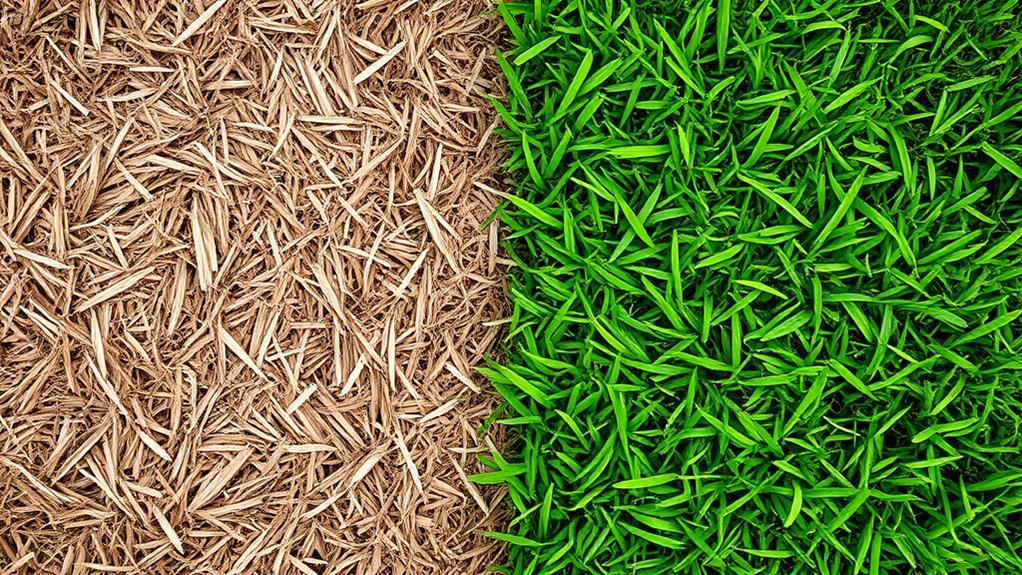
When you look at your lawn, it's essential to determine whether your grass is dead or merely dormant. You'll notice that dormant grass tends to have a consistent brown hue, while dead grass might seem patchy and lack resilience. A simple tug test can reveal a lot; if the grass resists your pull, it's likely just resting. However, if it comes out easily, you might have a bigger issue on your hands. Understanding these nuances can greatly influence your lawn care strategy, but what steps should you take next?
Understanding Grass States
Understanding the difference between dead and dormant grass is key to effectively caring for your lawn. You'll notice that both dead and dormant grass appear brown, but that's where the similarity ends. Dead grass is lifeless, won't regrow, and often shows patchy, limp areas due to disease or environmental stressors. On the other hand, dormant grass conserves nutrients and energy, and can revive under suitable conditions.
To determine whether your grass is dead or dormant, try the tug test: if the grass resists being pulled and maintains its root structure, it's likely dormant. If it's easily removed from the ground, it's probably dead. You can also try increasing water to see if the grass responds positively and starts to revive. Seasonal changes impact grass states, with cool-season grasses going dormant in heat and warm-season grasses becoming dormant in cold weather. Understanding these differences will help you tailor your lawn care to your grass type and climate, ensuring it stays healthy and thrives. By recognizing whether your grass is dead or dormant, you can take the right steps to revive it or replace it, if necessary.
Signs of Dead vs. Dormant Grass
When it comes to identifying dead vs. dormant grass, it's what's beneath the surface – literally – that can be the most telling sign. One key difference is the color and texture of the grass. Dormant grass often has a uniform brown color, while dead grass typically shows patchy and limp sections.
You can perform a simple tug test to check the grass's roots. If the grass resists pulling, it's likely dormant and its roots are still intact. Dead grass, on the other hand, can be easily removed with little to no resistance. Another sign is how the grass responds to water. Dormant grass may show signs of revival and start to green up when adequately watered. Dead grass, however, remains brown and unresponsive despite increased moisture.
Observing soil conditions and underlying issues, such as pests or diseases, can also help you differentiate between dead and dormant grass. Keep in mind that cool-season grasses go dormant in extreme heat, while warm-season grasses enter dormancy in cold temperatures. By paying attention to these signs, you can determine whether your grass is just dormant or dead.
Determining Grass State Methods
You've identified signs that indicate whether your grass is dead or dormant, but what's the most effective way to determine its state? To confirm the state of your grass, use the following methods:
| Method | Dormant Grass vs. Dead Grass |
|---|---|
| Browning Observation | Uniform browning (dormant), patchy brown areas (dead) |
| Tug Test | Resists being pulled (dormant), pulls out easily (dead) |
| Water Response | Responds and revives (dormant), remains brown and unresponsive (dead) |
| Nutrient Check | Responds to nutrient adjustments (dormant), doesn't respond (dead) |
These methods help you determine the state of your grass. By performing a tug test, you can see how easily the grass blades come out. If they resist being pulled, it's likely dormant. If they come out easily, it's likely dead. You can also try increasing watering to see if the grass responds and begins to revive. If it does, it's likely dormant. However, if it remains brown and unresponsive, it's likely dead. Consider seasonal changes and proper watering when evaluating the state of your grass.
Caring for Dormant Grass
Now that you've identified whether your grass is dead or dormant, it's time to focus on the proper care for dormant grass. To create a healthy environment for your dormant grass, you'll need to reduce stress and damage. One way to do this is by reducing foot traffic on your lawn. This will minimize the stress and damage that your dormant grass may experience during this vulnerable phase.
When it comes to watering your dormant grass, make sure to water it sparingly. Aim to provide half an inch of water every two weeks. This will help sustain its life without over-saturating the soil. Avoid fertilizing your dormant grass, as it doesn't require nutrients during this period and can be harmed by excessive fertilization.
Regular maintenance is also essential for the health of your dormant grass. Implement weed control measures, such as hand-pulling or spot treating, to prevent weeds from competing with your dormant grass for resources. When necessary, mow your lawn, but be sure not to cut too low to protect the grass's health while it's dormant.
Reviving or Replacing Dead Grass
A dead patch of grass is irreversible and will not regrow, so removing it is the first step in reviving your lawn. This often involves raking and cutting borders around dead patches to separate them from the rest of your lawn. Once you've removed the dead grass, it's crucial to rehydrate the soil by moistening it and filling any holes with topsoil to prepare for new planting.
Here's how to revive your lawn:
- Remove dead grass: Rake and cut borders around dead patches to separate them from the rest of your lawn.
- Rehydrate the soil: Moisten the soil and fill any holes with topsoil to prepare for new planting.
- Reseed with high-quality grass seed: Choose a grass seed suitable for your local climate, such as GreenView Fairway Formula.
- Water consistently: Provide about one inch of water per week until the new grass is established.
Professional Lawn Care Assistance
When you're unsure whether your grass is dead or dormant, it's time to seek expert help from lawn care services like Absolute Lawn Pros. They can assess your lawn's health and create customized treatment plans that cater to its specific needs, whether it's reviving dormant grass or replacing dead grass. By hiring professionals, you'll gain access to advanced tools and techniques that can greatly improve your lawn's overall health and prevent future issues.
Lawn Care Services
Engaging the services of a professional lawn care company can greatly benefit homeowners who struggle to determine whether their grass is dead or dormant. Lawn care services can help you identify the issue and recommend the best course of action to restore your lawn's health.
When working with a professional lawn care company, you can expect the following benefits:
- Accurate diagnosis: Trained specialists can diagnose whether your grass is dead or dormant, saving you time and money in the long run.
- Tailored treatment plans: Lawn care companies can create customized plans to address your lawn's specific needs, including fertilization, weed control, and proper watering schedules.
- Regular maintenance: Regular maintenance services can help prevent common issues that lead to dead grass, such as thatch buildup and drought stress.
- Satisfaction guarantee: Many lawn care companies offer a satisfaction guarantee, ensuring that you receive high-quality care for your lawn.
Expert Lawn Solutions
Most lawn care challenges, including determining whether your grass is dead or dormant, can be effectively addressed with expert lawn solutions from a professional lawn care company. These companies, like Absolute Lawn Pros, offer expertise in diagnosing the issue and creating treatment plans tailored to your lawn's specific needs.
| Expert Lawn Solutions | Benefits |
|---|---|
| Soil testing | Identifies underlying nutrient deficiencies |
| Customized watering schedules | Promotes healthy grass growth and recovery |
| Fertilizer application | Provides essential nutrients for peak growth |
| Pest infestation management | Prevents damage from pests and diseases |
| Lawn care guidance | Teaches you best practices for year-round grass health |
Frequently Asked Questions
What Does Grass Look Like When It Goes Dormant?
When grass goes dormant, it turns a uniform brown color while maintaining structure. You'll notice it doesn't crumble easily, and if you look closely, you might see green buds ready to awaken with proper care.
Can You Revive Dormant Grass?
Yes, you can revive dormant grass. By watering it adequately and maintaining a consistent schedule, you'll encourage greening. Just avoid foot traffic and excessive mowing during this time to help it recover effectively.
Can Grass Grow Back After It Dies?
Once grass dies, it can't grow back since it lacks the necessary roots and energy. You'll need to remove the dead grass and reseed or lay sod for new growth to take its place.
What Month Does Grass Go Dormant?
Grass typically goes dormant during extreme temperatures. For cool-season grasses, this happens from late July to early September, while warm-season grasses enter dormancy from late November to early March, depending on your region's climate.


