

Fix a Waterlogged Lawn in 10 Steps
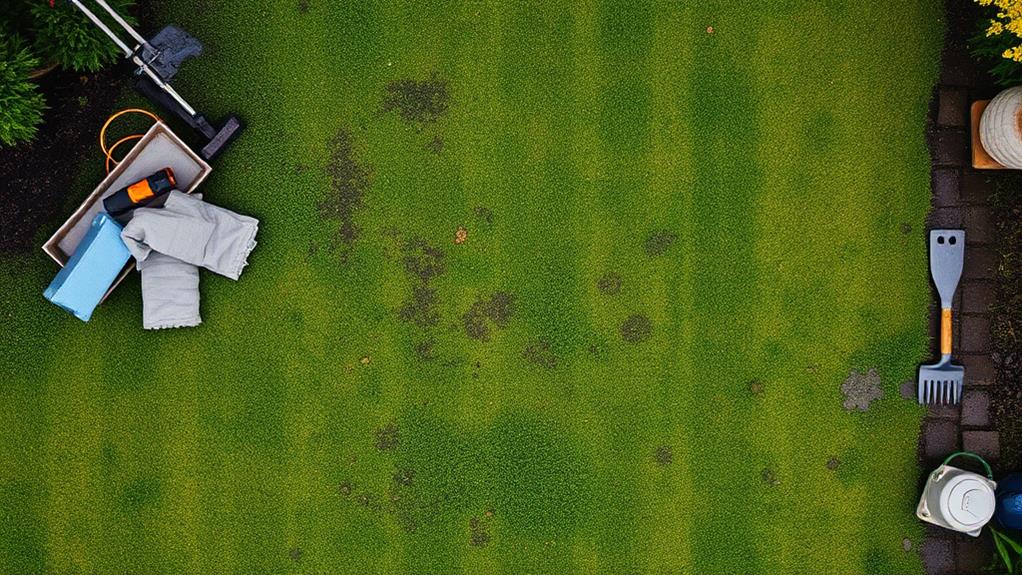
You're standing in your waterlogged lawn, wondering how to restore it to its former glory. The soggy mess is not only an eyesore, but it's also a breeding ground for weeds and pests. To fix this, you'll need a step-by-step plan. The good news is that with a little effort, you can turn your waterlogged lawn into a lush and healthy oasis. But first, you'll need to identify the root cause of the problem – is it poor drainage or something more complex? Let's break down the process into manageable steps and start with the most critical one: evaluating the damage.
Assessing Waterlogged Lawn Damage
When evaluating waterlogged lawn damage, start by walking your lawn to identify the areas most affected. Examine the extent of the damage by checking for areas with standing water, soft or spongy soil, and discoloration in the grass, which may indicate root rot or poor health. Take note of these problem areas as you'll need to address them for effective lawn recovery.
Next, inspect the soil composition to determine if it's prone to water retention, which can exacerbate drainage issues in waterlogged lawns. Heavy clay soils, for example, are more likely to retain water and hinder drainage. Evaluate the lawn's grading and drainage patterns to identify low spots where water accumulates, indicating poor drainage.
Also, look for signs of soil compaction, which can hinder water movement and exacerbate waterlogging. Check for compacted soil by walking on it – if it doesn't spring back, it's likely compacted. Identifying these issues will help you develop a plan to improve drainage and promote healthy lawn recovery. By examining your waterlogged lawn, you'll be able to determine the best course of action to fix the problem and prevent future waterlogging.
Aeration for Improved Drainage
After evaluating the damage to your waterlogged lawn, it's time to address the underlying issues. One of the most effective ways to combat waterlogging is through aeration. Aeration involves perforating the soil with holes to reduce compaction and improve water drainage, allowing air, nutrients, and moisture to reach the grass root system more effectively.
To aerate your lawn, consider the following steps:
- Choose the right tool: Use a hollow tine aerator, which removes plugs of soil that are 10-15 cm deep, creating space for better drainage and preventing water from pooling on the surface.
- Time it right: Perform aeration during the growing season, specifically in spring or fall, to maximize recovery and benefits for the lawn.
- Incorporate organic matter: Add compost or other organic matter during aeration to further enhance soil structure and drainage, promoting a healthier lawn overall.
- Make it a habit: Regular aeration is recommended at least once or twice a year to maintain ideal soil health and prevent issues associated with waterlogged lawns.
Mulching Techniques for Healthy Soil
When fixing a waterlogged lawn, you'll want to contemplate incorporating mulching techniques to promote healthy soil. By applying the right type and amount of mulch, you can improve drainage, suppress weeds, and add essential nutrients to the soil. Start by choosing an organic mulch, such as wood chips or straw, and applying a 2-3 inch layer to reap the benefits of improved soil structure and drainage.
Mulch for Drainage
A 2-4 inch layer of mulch on your lawn can markedly enhance drainage by creating a protective barrier that absorbs excess moisture while allowing air to circulate through the soil. This mulch for drainage technique is especially useful for lawns with poor soil health, as it helps to improve aeration and reduce compaction. When choosing a mulch, consider using organic mulches such as wood chips or straw, as they decompose over time and enrich the soil with nutrients.
Here are 4 ways mulch can benefit your lawn's drainage:
- Retains moisture: Mulch helps to retain moisture in the soil during dry periods, reducing the need for frequent watering.
- Suppresses weeds: By blocking light and preventing seed germination, mulch can help to suppress weed growth and prevent competition for nutrients.
- Improves soil structure: As mulch breaks down, it adds organic matter to the soil, improving its structure and allowing for better water infiltration.
- Protects plant roots: Mulch acts as a protective barrier for plant roots, shielding them from extreme temperatures and preventing damage from foot traffic.
Organic Mulch Benefits
By incorporating organic mulch into your lawn care routine, you're not only creating a protective barrier for your soil, but you're also taking a proactive approach to maintaining its overall health. Organic mulch enhances soil drainage by absorbing excess moisture and reducing soil compaction over time as it decomposes. This leads to improved soil structure and aeration, promoting better root development for your plants.
As organic mulch breaks down, it enriches the soil with nutrients, supporting beneficial microorganisms that contribute to overall soil health. This nutrient enrichment, in turn, fosters a healthier garden ecosystem. Organic mulch also contributes to improved moisture retention, reducing the need for frequent watering. Additionally, it suppresses weed growth, minimizing competition for your plants' nutrients. By applying a 2-3 inch layer of organic mulch, you can reap these benefits and create a more resilient lawn that's better equipped to handle waterlogged conditions. Regular mulching will help you achieve a healthier and more balanced soil environment, which is essential for fixing a waterlogged lawn.
Mulching Techniques
Effective mulching techniques can go a long way in maintaining the health of your lawn's soil. When done correctly, mulching can improve soil drainage by preventing surface runoff and allowing water to infiltrate the soil more efficiently. This technique also enhances moisture retention and reduces soil erosion.
Here are some key considerations when applying mulching techniques:
- Apply the right amount of mulch: A 2-3 inch layer of mulch is ideal for effective moisture retention while preventing weed growth and regulating soil temperature.
- Choose the right time: September is an perfect time to apply mulch, as it helps protect plants from early frost and insulates roots during colder months while retaining moisture.
- Select the right material: Organic mulch is the best option, as it enriches the soil with nutrients and improves soil structure as it decomposes.
- Maintain the mulch layer: Regularly check the mulch layer and replenish it as needed to guarantee it continues to provide benefits to your lawn's soil.
Installing French Drain Systems
When installing a French drain system, you'll need to start by digging a trench that's at least 6 inches wide and 18-24 inches deep, with a slight slope to guarantee effective water flow. This trench will serve as the foundation for your drainage system, so it's crucial to choose the right materials for the job. You'll need to select a suitable perforated pipe and gravel, as well as a landscape fabric to line the trench, to promote ideal drainage and prevent clogging.
Digging the Trench
To fix a waterlogged lawn with a French drain system, you'll first need to dig a trench that's deep and wide enough to handle the flow of water. The trench should be at least 6 inches wide and 18 inches deep, sloping away from the area experiencing waterlogging at a gradient of 1-2% for effective drainage.
Here's what to do next:
- Line the trench: Line the trench with landscape fabric to prevent soil from clogging the drainage system while allowing water to flow through.
- Add a gravel base: Place a layer of gravel (about 2-3 inches) at the bottom of the trench to facilitate drainage and surround the perforated pipe.
- Position the perforated pipe: Position the perforated pipe with the holes facing downwards to collect water.
- Fill with gravel and landscape fabric: Fill the trench with gravel and fold the landscape fabric over the gravel to keep soil out while allowing water to enter.
Once you've completed these steps, you'll be ready to backfill the trench and restore the surface with soil and grass seed or sod.
Choosing Drainage Materials
Choosing the right drainage materials is vital for the successful installation of a French drain system. You'll need to select materials that can effectively manage excess water and direct it away from your lawn. A perforated pipe is an essential component of a French drain, as it collects and channels excess water towards the desired drainage outlet. When choosing a perforated pipe, consider the slope requirement of at least 1% (1 inch per 10 feet) to guarantee proper water flow.
For the fill material, use clean, coarse gravel (typically 3/4 inch) to guarantee adequate drainage and prevent sediment from clogging the system. Avoid using fine-grained materials like sand or soil, as they can clog the pipe and reduce the effectiveness of the French drain. The installation depth of the trench should be at least 18 inches deep to intercept and manage surface and subsurface water effectively. By selecting the right drainage materials, you'll be able to create a French drain system that efficiently directs excess water away from your lawn, reducing water accumulation and preventing further waterlogging.
Choosing Permeable Paths and Patios
A well-designed lawn often begins with the paths and patios that crisscross it. When it comes to choosing the right materials for these areas, you'll want to prioritize permeable options that promote water drainage.
By selecting materials like gravel, porous concrete, or permeable pavers, you're allowing rainwater to seep through, reducing surface runoff and promoting natural drainage. Here are some key considerations for designing effective paths and patios:
- Slope it right: Design your paths and patios with a slight slope away from structures and towards landscaped areas to direct water flow and minimize water accumulation.
- Use a drainage layer: Incorporate a layer of compacted sand or crushed stone beneath permeable surfaces to enhance water absorption and prevent pooling.
- Choose complementary ground covers: Use native plants and ground covers alongside permeable surfaces to further enhance water absorption and prevent erosion.
- Schedule regular maintenance: Regularly remove debris and maintain the permeability of your materials to keep them functioning effectively in managing water runoff.
Digging a Drainage Ditch
When you're ready to tackle the waterlogging issue on your lawn, start by identifying the areas where excess water tends to accumulate, as this will help you determine the best route for your drainage ditch. Next, you'll need to create a path for the ditch, considering the slope and elevation of your yard to guarantee proper water flow. By digging a drainage trench in the right location, you can effectively redirect excess water away from your lawn and prevent further damage.
Identifying Drainage Issues
Digging a drainage ditch is an effective way to tackle waterlogged areas by redirecting excess water away from the lawn. To identify drainage issues, it's crucial to understand how a properly functioning drainage ditch works.
Factors to Take into Account When Identifying Drainage Issues
- Orienting the ditch: Verify the ditch leads water towards a natural drainage point, such as a dry creek bed, storm drain, or low-lying area, to facilitate proper water flow away from the lawn.
- Achieving a suitable slope: A gradient of at least 1% (1 inch of drop for every 100 inches of length) is recommended to prevent water from pooling in the ditch and guarantee efficient drainage.
- Utilizing materials to enhance effectiveness: Lining the ditch with gravel or using perforated pipes can improve drainage capacity and prevent erosion of the ditch walls.
- Regular maintenance: Clear debris and check for blockages to keep the drainage ditch functioning properly and prevent future waterlogging issues.
Creating the Ditch Path
Your lawn's drainage ditch path is essential in redirecting excess water away from waterlogged areas. To create an effective ditch, start by identifying the low spots where water tends to accumulate. These areas will be the focal points for your drainage ditch. Next, determine the slope of your lawn, guaranteeing the ditch has a gentle slope of about 1-2% away from the house and towards a designated drainage area.
Consider the digging depth and width of your ditch, aiming for 6-12 inches deep and 12-24 inches wide. This will depend on the amount of water you need to divert and make certain the ditch can handle heavy rainfall. Line the ditch with natural materials like gravel or rock to improve drainage and prevent soil from washing into the ditch. This will also help reduce erosion. Finally, consider planting water-tolerant plants along the edges of the ditch to absorb excess moisture, stabilize the soil, and enhance the overall appearance of your lawn. These plants will help to improve drainage and reduce erosion, making your lawn more resilient to waterlogging.
Digging the Drainage Trench
With the ditch path planned and prepared, you're ready to start digging the drainage trench. To dig a drainage trench, mark the desired path with stakes and string, ensuring it slopes away from the waterlogged area at a gradient of 1-2% for effective water flow.
To create an effective drainage system, follow these steps:
- Use a trenching shovel or spade to dig a trench approximately 6 inches wide and at least 12 inches deep, depending on the volume of water that needs to be redirected.
- Line the bottom of the trench with landscape fabric to prevent soil from clogging the drainage system while allowing water to pass through.
- Fill the trench with gravel or crushed stone up to 3-4 inches from the top to create a permeable layer that encourages water to flow away from the lawn.
- Cover the gravel with soil and reseed or replant the area to restore the lawn's appearance while maintaining the drainage solution.
Planting a Bog Garden Solution
Transforming a waterlogged lawn into a thriving bog garden is a great way to turn a problem into an asset. You can create a bog garden in a low area of your yard, where excess water naturally collects. This solution not only improves drainage but also provides a unique aesthetic feature. Choose moisture-loving plants, such as native irises, ferns, and sedges, which thrive in wet conditions and help filter pollutants from the water.
To construct your bog garden, mix organic matter, sand, and native soil to enhance drainage. Incorporating stones or gravel at the bottom provides a habitat for beneficial microorganisms that promote soil health. This design also allows for efficient water absorption, making the most of the low area. Regular seasonal mulching will help retain moisture and suppress weeds. By selecting native species and maintaining your bog garden, you'll create a thriving ecosystem that supports biodiversity and effectively manages excess moisture. With proper care, your bog garden will become a beautiful and functional solution to your waterlogged lawn problem.
Over-Seeding for Lawn Recovery
A waterlogged lawn can be rescued by over-seeding to fill in bare spots and thicken the turf, making it more efficient at absorbing water. Over-seeding involves spreading grass seed over an existing lawn to fill in bare spots and improve overall turf density. This can enhance water absorption and reduce runoff in waterlogged areas.
Before over-seeding, it is crucial to prepare your lawn. Here are some steps to follow:
- Aerate the lawn: Use a hollow tine aerator to create holes in the soil, helping new seeds establish better contact with the soil and improving germination rates.
- Choose the right grass seed: Select a grass seed suitable for your lawn type and climate.
- Apply the right amount of seed: Use about 2-3 pounds of grass seed per 1,000 square feet, depending on the grass variety and lawn condition.
- Maintain consistent watering: Keep the soil moist until the new grass is established, which generally takes about 2-4 weeks.
Collecting Rainwater for Irrigation
How can you maximize the potential of your lawn while minimizing your environmental footprint? Collecting rainwater for irrigation is an effective way to achieve this goal. By installing a rain barrel under your downspouts, you can reduce reliance on municipal water supplies. A single inch of rain on a 1,000 square foot roof can yield approximately 600 gallons of water, which can be used to irrigate your lawn.
To guarantee the water is clean and free of debris, install a mesh screen and consider a first flush diverter. This device discards the initial runoff that may contain contaminants, allowing for cleaner water storage. Regular maintenance is also vital, with a recommended cleaning frequency of at least once a year to prevent algae growth.
Resolving Underlying Soil Issues
While reducing your water usage with rainwater collection is a great start, it's equally important to address the underlying soil issues that may be contributing to your waterlogged lawn. Conducting a soil test will help determine the drainage capacity and identify the soil type. Heavy clay soils, for instance, are often more prone to waterlogging due to their compact nature.
To resolve these issues, consider the following steps:
- *Incorporate organic matter*: Add compost or well-rotted manure to improve the soil structure and drainage capabilities over time.
- *Apply gypsum to clay-heavy soils*: Break up compacted particles, enhancing soil permeability and reducing water retention.
- *Aerate the lawn*: Use a hollow tine aerator to remove plugs of soil, greatly improving air circulation and drainage in compacted areas.
- *Monitor soil pH levels and nutrient content*: Regularly check for imbalances that can affect plant health and soil drainage efficiency.
Frequently Asked Questions
How to Fix a Waterlogged Yard?
You're dealing with a waterlogged yard, which can be frustrating and challenging to repair. To fix it, start by evaluating the damage and identifying the source of the issue, then create a plan to improve drainage.
What Can I Put on My Lawn to Soak up Water?
To soak up water on your lawn, you can apply compost, gypsum, or sand to improve soil structure and drainage. Alternatively, consider using absorbent materials like straw or hay to soak up excess moisture and improve soil quality.
How to Dry up a Wet Yard Fast Without Drainage?
To dry up a wet yard fast, you'll need to act quickly. Start by improving airflow and drainage. Mow your lawn to a higher length, and use absorbent materials like straw or mulch to soak up excess moisture.
How to Drain Waterlogged Ground?
You'll need to assess the area for drainage issues, identify the cause, and consider installing a French drain or creating swales to redirect excess water and improve drainage in your waterlogged ground effectively.


