

10 Ways to Compare Dollar Spot vs. Brown Patch in Memphis Lawn Diseases
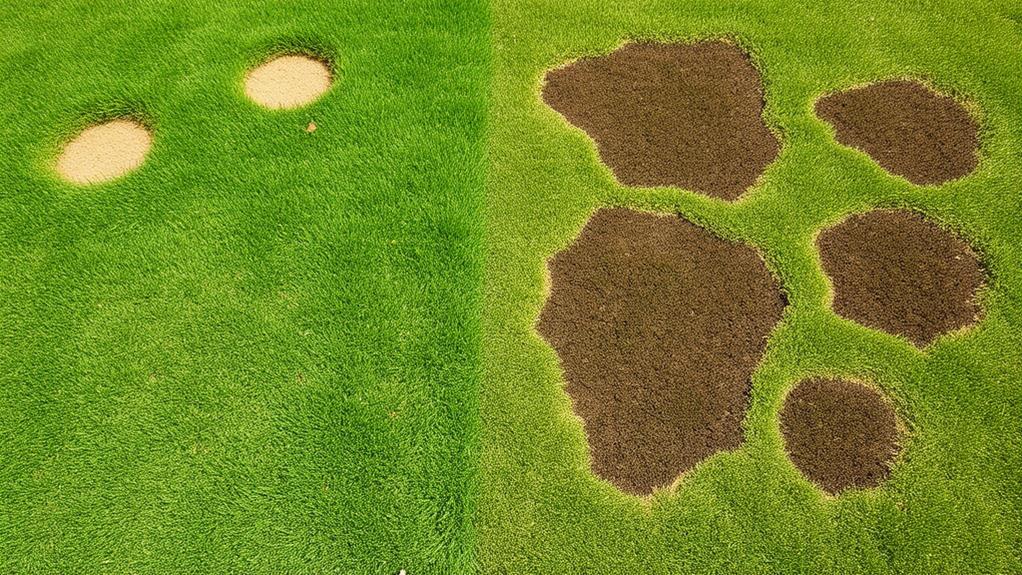
When you're trying to manage your Memphis lawn, understanding the differences between Dollar Spot and Brown Patch is essential. These two common diseases can wreak havoc if not identified and treated correctly. You'll notice Dollar Spot as small, straw-colored circles, while Brown Patch forms larger, irregular patches. But it's not just about appearance; factors like the type of grass, weather conditions, and even your lawn care practices play a role. Curious about how these factors interplay in managing these diseases? There's much more to uncover about effective strategies and treatments.
Recognizing Disease Symptoms
Identifying lawn diseases like Dollar Spot and Brown Patch requires keen observation of specific symptoms. When evaluating your lawn, it's vital to differentiate between these diseases by noting their distinct characteristics. Dollar Spot presents as small, tight, circular spots resembling silver dollars. These spots, often yellow or straw-colored, can expand into larger, irregular patches, especially on warm-season grasses during humid conditions.
In contrast, Brown Patch manifests as irregular, brownish-yellow patches with dark borders. These patches can span several feet and are typically found on cool-season grasses when humidity is high and temperatures exceed 80°F. Look for circular brown lesions with straw-colored centers and purple edges, which are telltale symptoms of Brown Patch.
It's important to observe any increased weed growth or yellowing grass blades, as these can be indicators of underlying lawn diseases. Early detection of symptoms is essential for effective management. While both Dollar Spot and Brown Patch thrive in warm, humid environments, their specific appearances and the types of grass they affect differ greatly. Careful scrutiny of these symptoms will help you effectively identify and manage these common lawn diseases.
Analyzing Patch Formation
When you're analyzing patch formation, you'll notice distinct differences in the shapes between Dollar Spot and Brown Patch. Dollar Spot forms small, defined circles that can merge into larger areas, while Brown Patch creates irregular, sprawling patterns with a donut-like appearance. Understanding the growth environment is essential, as Brown Patch thrives in high humidity and temperatures above 80°F, whereas Dollar Spot prefers warm-season grasses in humid conditions with low nitrogen soil.
Patch Shape Differences
In analyzing patch formation, you'll notice that Dollar Spot and Brown Patch manifest quite differently in shape and size on your lawn. Dollar Spot typically appears as small, tight, circular patches that resemble silver dollars, which is where it gets its name. These patches are usually no larger than 5 inches in diameter. On the other hand, Brown Patch forms larger, irregular patches that can spread several feet across. These irregular patches often have a distinct brownish-yellow color with dark borders, making them quite noticeable against the green grass.
Brown Patch is also known for its "donut" appearance, characterized by a green center surrounded by a brown ring. This feature is absent in Dollar Spot, which tends to have a more uniform circular patch formation. Although Dollar Spot patches can merge over time to form larger areas, they generally lack the distinct irregularity seen in Brown Patch. Understanding these patch shape differences is key to identifying which disease is affecting your lawn. By paying attention to whether you're seeing circular patches or more irregular patches, you can better diagnose and treat the specific issue, ensuring a healthier lawn over time.
Growth Environment Factors
Understanding the growth environment factors of Dollar Spot and Brown Patch is essential for effective lawn management. Dollar Spot thrives in warm-season grasses, especially when temperatures range between 70°F to 85°F. High humidity levels greatly contribute to its spread. You'll notice that Dollar Spot often appears in lawns with low nitrogen levels, forming small, tight circular patches that may merge into larger areas. In contrast, Brown Patch primarily affects cool-season grasses and becomes a concern in hot, humid weather, particularly when temperatures exceed 80°F. Its presence is intensified by prolonged dew periods and high nighttime humidity.
Soil moisture plays a pivotal role in the development of these diseases. Dollar Spot often occurs in under-fertilized and compacted soils, struggling with inadequate drainage. On the other hand, Brown Patch is linked to excessive moisture retention and poor drainage, forming irregular, larger brownish-yellow patches with dark borders, creating a "donut" effect. By monitoring local environmental conditions, such as humidity and temperature fluctuations, you can predict potential outbreaks of both Dollar Spot and Brown Patch in your Memphis lawn. Understanding these factors helps in taking proactive measures to keep your lawn healthy and disease-free.
Climate and Weather Impact
Climate and weather play an essential role in the development of lawn diseases like Dollar Spot and Brown Patch. In Memphis, the combination of warm temperatures and high humidity during summer creates the perfect breeding ground for these diseases. Brown Patch thrives particularly well when temperatures soar above 80°F, accompanied by high humidity. This means you'll often see Brown Patch outbreaks in late spring and early fall, when these conditions are most prevalent. Dollar Spot, on the other hand, is more common during the warmer summer months, especially in under-fertilized and compacted lawns.
Both diseases benefit from prolonged periods of dew, especially when dew lasts over 10 hours. It's vital to keep an eye on your lawn during such moist conditions. While Brown Patch outbreaks are notably heightened by these dew periods, Dollar Spot can escalate quickly due to similar moisture conditions but is more closely linked to nitrogen deficiencies.
Proactively managing your lawn by addressing these climate factors can help prevent these diseases. Regular fertilization and lawn care are essential, especially during Memphis's humid, warm seasons, to protect your lawn from these common problems.
Identifying Affected Grass Types
You're not alone if you struggle to tell the difference between Dollar Spot and Brown Patch in your lawn. Identifying the affected grass types is vital for accurate diagnosis and treatment. Dollar Spot mainly targets warm-season grasses such as Bermuda and Zoysia. These grasses are often found in southern regions like Memphis, where the climate favors their growth. In contrast, Brown Patch mainly affects cool-season grasses like fescue and bluegrass. These grasses are more common in areas with cooler temperatures.
Understanding which grass types are present in your lawn can help you identify the disease. Dollar Spot shows up as small, circular, straw-colored spots on the grass blades of warm-season grasses. Meanwhile, Brown Patch presents as irregular, large brown patches with dark borders, primarily on cool-season grasses.
The climate in Memphis can support both warm and cool-season grasses, so knowing what you're dealing with is essential. By recognizing the affected grass types, you can choose the appropriate fungicide and management strategy. Proper identification not only helps in treating the disease effectively but also prevents future outbreaks, keeping your lawn looking its best.
Evaluating Disease Spread
Once you've identified the type of grass affected, it's necessary to contemplate how Dollar Spot and Brown Patch spread across your lawn. Understanding the disease spread is essential for effective lawn care management. Dollar Spot manifests as small, tight, circular spots, but can grow into larger patches if neglected. It thrives in humid environments on warm-season grasses, especially under low nitrogen levels. On the other hand, Brown Patch appears as larger circular brownish-yellow patches, quickly transforming lush areas into dead zones, particularly in cool-season grasses during hot, humid weather above 80°F.
Consider the following differences in disease spread:
| Disease | Spread Characteristics | Recommended Conditions |
|---|---|---|
| Dollar Spot | Slow progression, rapid multiplication | Warm-season grass, high humidity, low nitrogen |
| Brown Patch | Rapid overnight spread | Cool-season grass, hot, humid, >10-hour dew |
Brown Patch can spread rapidly overnight, making early intervention critical. Its ideal environment includes nighttime temperatures above 65°F and prolonged dew periods. Conversely, Dollar Spot spreads more slowly but can multiply quickly in under-fertilized lawns. Both diseases thrive in humid environments but require unique approaches for control. In short, understanding these spread patterns helps you tailor your lawn care strategy effectively, ensuring a healthy, vibrant lawn.
Treatment Methods Comparison
When treating Dollar Spot and Brown Patch, you'll find that fungicide application techniques vary considerably. Consider the environmental impact of each method; for instance, frequent chemical treatments might affect beneficial organisms in your lawn. Adjusting cultural practices, like aeration and watering schedules, is also essential in managing these diseases effectively.
Fungicide Application Techniques
Effective fungicide application techniques are imperative in managing lawn diseases like Dollar Spot and Brown Patch. When aiming to control brown patch, guarantee proper timing is essential. Start treatments in spring before humidity spikes. Brown Patch typically requires fungicides like Azoxystrobin every 14-28 days, allowing you to address irregular brown patches. Additionally, integrating natural methods like aeration can help alleviate soil compaction, fostering a healthier lawn environment.
For Dollar Spot, specific fungicides such as Propiconazole are needed. Since this disease spreads rapidly, more frequent applications may be necessary. Liquid fungicides can offer quicker results, which is beneficial for immediate relief of Dollar Spot issues. Precision in fungicide application is critical due to the smaller spot size of Dollar Spot, guaranteeing each affected area receives adequate treatment.
Granular fungicides are often preferred for both diseases, but always focus on the coverage technique suitable for your lawn's needs. While broader applications might suffice for Brown Patch, precise spot treatments are better suited for Dollar Spot. Keeping nitrogen levels balanced and addressing soil compaction will further enhance your lawn's resilience against these common Memphis lawn diseases.
Environmental Impact Considerations
Some may wonder about the environmental impacts of treating lawn diseases like Dollar Spot and Brown Patch. Dollar Spot treatment often involves applying nitrogen-rich fertilizers and fungicides such as Propiconazole. This can lead to potential runoff and nutrient pollution, impacting nearby water bodies. On the other hand, Brown Patch management relies more on aeration and cultural practices, with fungicides applied every 14-28 days. This approach focuses on reducing excess moisture and improving soil health, potentially lessening environmental harm.
Here's a brief comparison of their environmental impact:
| Treatment Aspect | Dollar Spot | Brown Patch |
|---|---|---|
| Temperature Range | 70-85°F | Above 80°F |
| Key Treatment | Nitrogen & Fungicides | Aeration & Fungicides |
| Environmental Impact | Potential runoff & pollution | Focus on soil health |
| Fungicide Frequency | Variable | Every 14-28 days |
Monitoring weather patterns is essential for both diseases. For Dollar Spot, proactive nitrogen management is key, while for Brown Patch, reducing watering frequency during humid periods can prevent spread. Both diseases thrive in warm, humid conditions, but with careful management, you can minimize environmental impacts and maintain a healthy lawn.
Cultural Practice Adjustments
Tackling lawn diseases like Dollar Spot and Brown Patch involves strategic cultural practice adjustments that can greatly improve your lawn's resilience. Start by monitoring your watering practices. For Dollar Spot, water in the early morning to reduce humidity levels, while for Brown Patch, avoid evening watering to prevent excess moisture during hot nights. This helps both diseases, but especially Brown Patch, which thrives in high humidity and warmth.
Next, consider your fertilization approach. Dollar Spot often attacks under-fertilized lawns, so maintain adequate nitrogen levels. Conversely, Brown Patch can worsen with excessive nitrogen, especially during peak growth periods. Adjust your fertilization to balance these needs.
Proper mowing techniques also play an essential role. Keep mower blades sharp and avoid cutting the grass too short, which can stress the lawn and make it more susceptible to infections, particularly in humid conditions where Brown Patch thrives.
Aeration is another important step. Regular aeration reduces soil compaction and improves drainage, benefiting both diseases. However, dethatching is especially effective against Brown Patch, as it enhances airflow and reduces humidity at the grass surface. By making these adjustments, you can effectively manage and prevent these common lawn diseases.
Role of Fungicides
Fungicides play an essential role in managing lawn diseases like Dollar Spot and Brown Patch, and choosing the right product is key to effective control. If you're dealing with these issues, consulting a lawn care professional can help you navigate the fungus control options. Propiconazole is specifically recommended for Dollar Spot, while Azoxystrobin proves effective against a variety of diseases, including Brown Patch. It's vital to choose the correct fungicide for the pathogen you're targeting, as using the wrong one won't help your lawn at all.
When applying fungicides, remember they prevent disease spread but won't repair damage that's already occurred. You'll typically notice the full effects about a week after application. Granular fungicides are great for precision, especially if you're targeting specific areas, while liquid fungicides can provide quicker relief if the situation is severe.
Regular applications every 14-28 days during high-risk periods are often necessary to maintain lawn health and keep both Dollar Spot and Brown Patch at bay. Timing is everything; applying the wrong fungicide or at the wrong time can render your efforts ineffective, so plan carefully for the best results.
Fertilization Strategies
When managing lawn diseases like Dollar Spot and Brown Patch, adjusting your fertilization strategy is essential. You need to focus on timing and application methods to guarantee nutrient balance, as this plays a significant role in disease prevention. Regular soil testing and proper use of fertilizers can help maintain healthy grass, reducing the risk of these common lawn problems.
Timing and Application Methods
To effectively manage lawn diseases like Dollar Spot and Brown Patch, understanding the timing and application methods of fertilization is crucial. For Dollar Spot prevention, focus on timely nitrogen applications, particularly during warm, humid conditions. This disease often emerges in under-fertilized lawns, so applying a balanced fertilizer in early spring can boost lawn health. Keep a close eye on soil moisture and adjust your fertilization schedule accordingly to prevent these diseases from taking hold.
Brown Patch, on the other hand, thrives in hot, humid weather. To combat this, avoid excessive nitrogen fertilization during peak growth periods. Focus instead on strategies that strengthen the roots without promoting excessive top growth. Aeration and dethatching can improve soil health, making it less susceptible to this disease. Monitor weather patterns to guarantee you're applying fertilizers at the most effective times.
Nutrient Balance Importance
Achieving a balanced nutrient program is essential in tackling lawn diseases like Dollar Spot and Brown Patch. When it comes to maintaining a healthy lawn, proper fertilization plays a vital role. Dollar Spot tends to thrive in lawns that are under-fertilized, making it important to maintain adequate nitrogen levels. Regular soil testing can help you fine-tune your nutrient balance, ensuring your grass stays resilient against this disease.
On the other hand, Brown Patch often becomes problematic in lawns with excessive nitrogen, especially during those hot and humid Memphis summers. To prevent this, be mindful of your fertilization schedule. Applying fertilizers at the right time helps you avoid worsening Brown Patch symptoms. Starter fertilizers like Lesco 18-24-12 can support healthy growth and combat these diseases, but you should use them cautiously during heatwaves to prevent grass stress.
Incorporating proper cultural practices alongside a strategic fertilization plan greatly boosts your lawn's resilience. By achieving the right nutrient balance, you're not only enhancing your lawn's health but also reducing its susceptibility to both Dollar Spot and Brown Patch. Remember, a balanced approach to fertilization is key to a thriving, disease-resistant lawn.
Impact on Disease Prevention
Understanding the role of fertilization strategies in disease prevention can transform your lawn care routine. A well-fertilized lawn is your best defense against diseases like Dollar Spot and Brown Patch. Dollar Spot thrives in lawns that lack proper fertilization, especially when nitrogen levels are insufficient. Ensuring your lawn receives adequate nitrogen is essential for maintaining lawn health. On the other hand, Brown Patch often emerges during high humidity and warm temperatures. Applying balanced fertilizers during the growing season can reduce your lawn's susceptibility to this disease.
However, moderation is key. Over-fertilizing can worsen symptoms of both Dollar Spot and Brown Patch by creating nutrient imbalances that encourage fungal growth. Timing is also critical; use starter fertilizers like Lesco 18-24-12 when weather conditions are right to promote robust grass growth and help fend off diseases.
Here are some tips to enhance your fertilization strategy for disease prevention:
- Conduct regular soil tests to identify nutrient deficiencies and adjust your fertilization accordingly.
- Apply fertilizers moderately to prevent over-fertilization and potential fungal issues.
- Focus on balanced fertilizers during the growing season to reduce disease risk.
- Monitor weather conditions to time your fertilizer applications effectively.
These practices will boost your lawn's resilience against Dollar Spot and Brown Patch.
Importance of Lawn Maintenance
Although maintaining a lawn might seem straightforward, the significance of regular lawn maintenance can't be overstated when it comes to preventing diseases like Dollar Spot and Brown Patch. By committing to regular care, you can greatly reduce the risk of these common lawn diseases. Proper watering practices, such as early morning watering, help guarantee that grass blades don't remain wet for too long, a condition that encourages fungal diseases. Additionally, consistent lawn maintenance involves more than just watering; it includes mowing with sharp, clean blades to prevent the transfer of diseases across your lawn.
Implementing a balanced fertilization program is another vital component. This strengthens grass resilience against diseases, but it's imperative to avoid over-fertilization—overdoing it can worsen symptoms. Aeration is equally important, improving the soil's ability to breathe and allowing roots to access essential nutrients. Regular lawn care not only keeps your grass healthy but also aids in the early detection of any troubling symptoms. By acting swiftly upon identifying signs of Brown Patch or Dollar Spot, you can minimize their spread and impact. As a result, maintaining a diligent lawn care routine is your best defense against these lawn diseases.
Prevention and Early Detection
Getting ahead of lawn diseases like Dollar Spot and Brown Patch begins with prevention and early detection. By focusing on maintaining a healthy lawn, you can reduce the risk of these diseases taking hold. Start by keeping an eye out for signs: Dollar Spot shows up as small, circular clusters on grass blades, while Brown Patch appears as irregular patches with dark borders. Regular inspections, particularly in humid conditions, are essential for early detection.
To prevent these diseases, you should:
- Maintain proper soil moisture levels: Both diseases thrive in warm, humid conditions. Brown Patch favors temperatures above 80°F, so adjust your watering schedule accordingly.
- Implement a balanced fertilization program: Dollar Spot often targets under-fertilized lawns, so keeping up with fertilization helps.
- Aerate and dethatch regularly: These practices improve airflow and reduce the risk of Brown Patch.
- Monitor weather patterns: Stay aware of high humidity and heat to take proactive lawn care measures.
Regular lawn care habits like early morning watering and using sharp mower blades promote healthy turf and assist in detecting potential diseases early. By sticking to these practices, you'll be better equipped to manage and prevent Dollar Spot and Brown Patch.
Frequently Asked Questions
What's the Difference Between Dollar Spot and Brown Patch?
You'll notice Dollar Spot as small, silver-dollar-sized spots, thriving in high humidity and low nitrogen. Brown Patch shows as large, irregular brown patches in warm, humid climates. Use specific fungicides and cultural practices for effective management.
How to Tell if Brown Spots in Lawn Are Fungus?
Check for irregular shapes and larger patches with dark edges, indicating Brown Patch. If spots are small and circular, it's likely Dollar Spot. Consider recent weather, humidity, and temperature, as these factors can promote fungal growth.
How Do You Identify Dollar Spot Fungus?
Look for small, circular yellow or straw-colored spots on grass blades. Check for white mycelium in early morning dew. Dollar Spot thrives in humid conditions with low nitrogen. Monitor these symptoms to identify the Dollar Spot fungus.
What Does Brown Patch Disease Look Like?
You'll spot brown patch disease by its large, circular brownish-yellow patches with dark borders. Look for straw-colored centers and possible white mycelium on dewy mornings. It thrives in hot, humid conditions, especially with prolonged dew periods.


